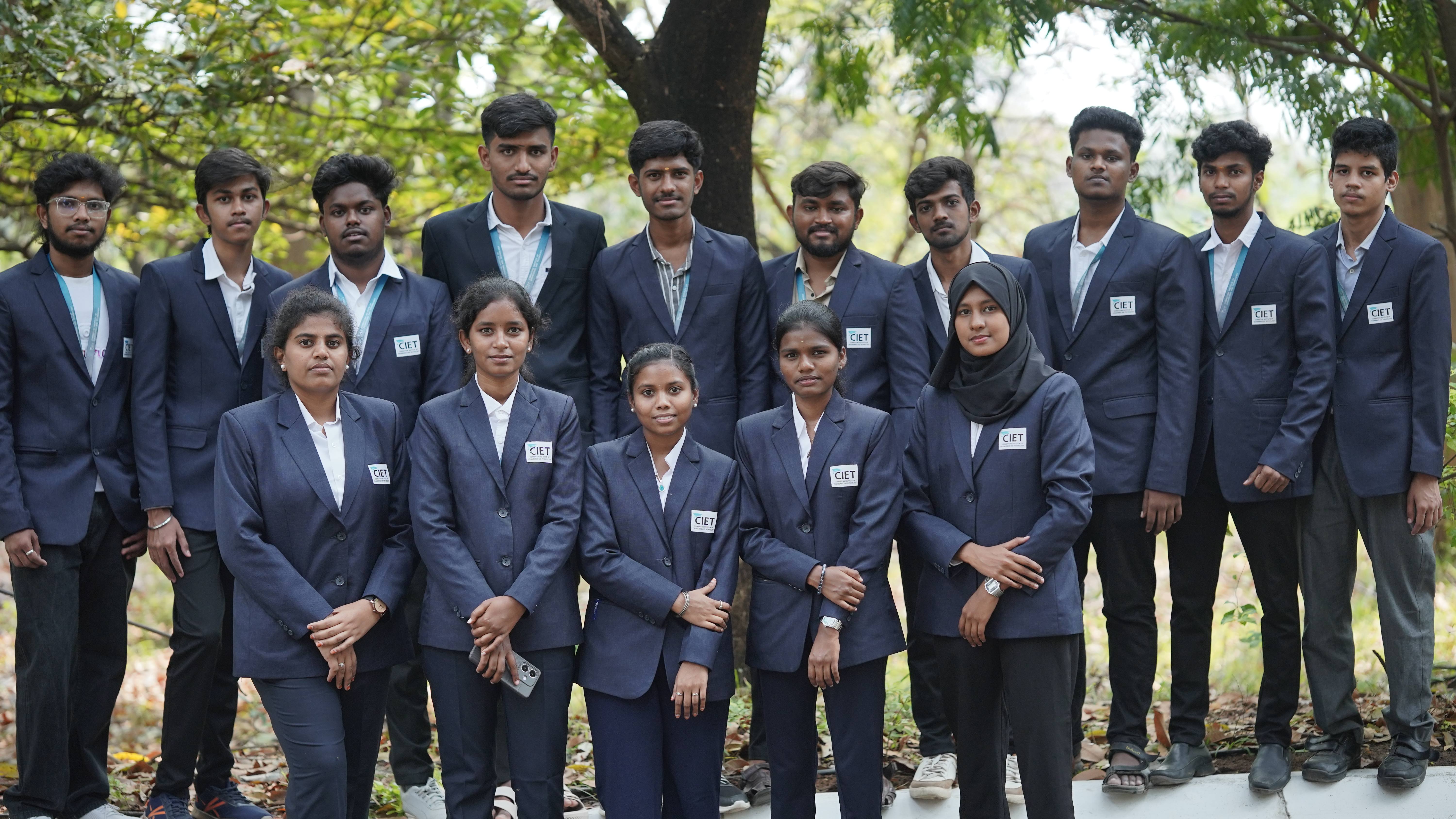
“The Department of Electronics Engineering, established in 2024, offers the B.E. Electronics Engineering (VLSI Design and Technology) programme with an annual intake of 30 students and the M.E. VLSI Design and Embedded Systems programme with an annual intake of 6 students.”
The department provides a strong foundation and advanced learning in electronics, signal and image processing, VLSI design, semiconductor technologies, and embedded systems. The curriculum is periodically reviewed and updated to keep pace with technological advancements, industry requirements, and societal needs.
The department promotes practical learning, research, innovation, and continuous academic development to prepare graduates for successful careers in industry, research, higher education, and entrepreneurship
To develop competent engineering professionals with strong knowledge and practical skills in VLSI and emerging technologies, fostering research, innovation, and ethical values to meet the needs of industry and society.
MS 1: Technical Knowledge and Innovation To provide quality education in VLSI and emerging technologies through effective teaching, continuous learning, research, and innovation.
MS 2: Practical Skills and Industry Exposure To develop practical and professional skills through laboratory learning, projects, internships, industrial training, and interaction with industry.
MS 3: Professional and Ethical Development To develop communication, leadership, entrepreneurial, and lifelong learning skills while promoting professional ethics and social responsibility.
PEO1: Employment:
PEO2: Enhancement:
PEO3:Advancement:
PSO1: Develop problem-solving skills
PSO2: Acquire professional skills
PSO3: Prepare students for successful careers and entrepreneurship
To develop competent engineering professionals with strong knowledge and practical skills in VLSI and emerging technologies, fostering research, innovation, and ethical values to meet the needs of industry and society
MS 1: Technical Knowledge and Innovation To provide quality education in VLSI and emerging technologies through effective teaching, continuous learning, research, and innovation
MS 2: Practical Skills and Industry Exposure To develop practical and professional skills through laboratory learning, projects, internships, industrial training, and interaction with industry.
MS 3: Professional and Ethical Development To develop communication,leadership, entrepreneurial, and lifelong learning skills while promoting professional ethics and social responsibility.
PEO1 – Professional Excellence:
PEO2 – Research and Innovation:
PEO3 – Professional Advancement:
PO1 – Research and Investigation
PO2 – Technical Communication
PO3 – Specialized Mastery
